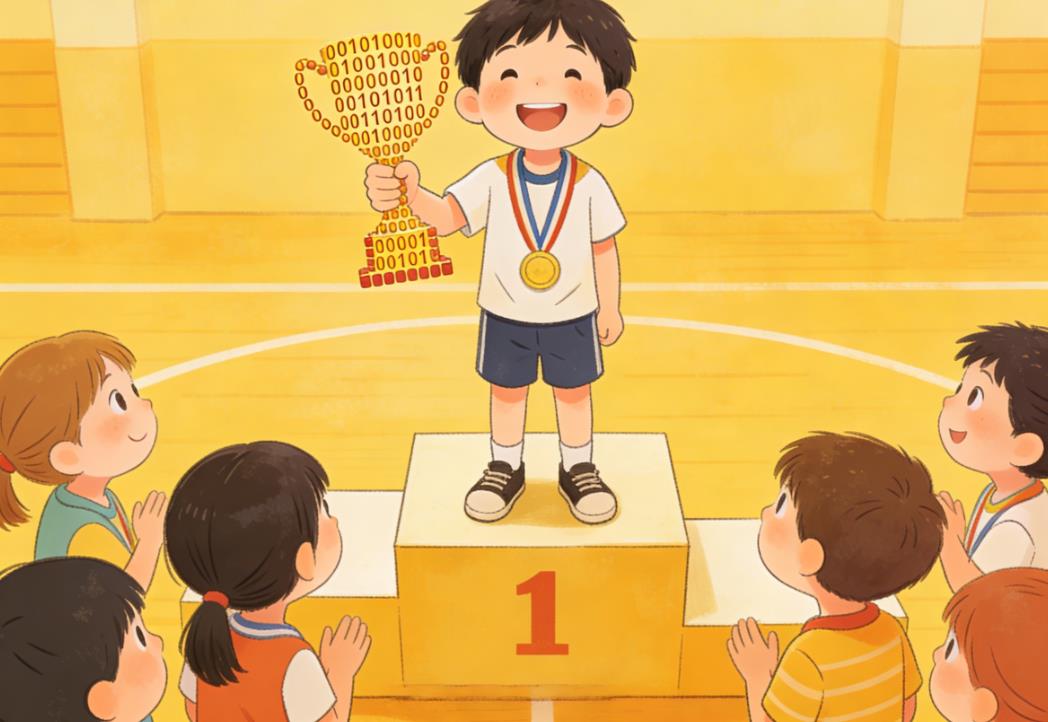
In recent years, coding competitions have become an increasingly visible part of the youth education landscape across the United States, the United Kingdom, Canada, and other Western countries. As coding continues to shift from a niche technical skill to a form of modern literacy, many parents find themselves asking an important question:
Are coding competitions actually beneficial for children, or do they introduce unnecessary pressure and competition too early?
As an educator working closely with children learning programming, I’ve seen firsthand how competitions can both inspire and challenge young learners. The answer is not a simple yes or no—it depends on how, when, and why children participate.
This article explores the real impact of coding competitions on children, drawing from educational research, classroom experience, and real-world examples from Western learning environments.
Understanding What Coding Competitions Really Are
Before evaluating their benefits, it’s important to clarify what we mean by coding competitions.
Coding competitions for children come in many forms, including:
- Algorithm-based contests (e.g., problem-solving challenges)
- Project-based competitions (e.g., building games, apps, or websites)
- Robotics competitions (e.g., programming physical devices)
- Game design or creative coding challenges
Some well-known competitions in Western countries include events like school hackathons, regional STEM fairs, and international platforms where children submit projects or solve timed coding problems.
Unlike traditional academic competitions, coding competitions often combine logic, creativity, and persistence. They are not just about getting the “right answer”—they are about how children think, build, and iterate.
The Potential Benefits of Coding Competitions
When thoughtfully approached, coding competitions can offer a wide range of benefits that go far beyond programming itself.
Developing Problem-Solving Skills
One of the most significant advantages of coding competitions is their emphasis on problem-solving.
Children are presented with challenges that require them to:
- Break complex problems into smaller steps
- Think logically and systematically
- Debug errors and refine their approach
For example, a 10-year-old student in California I worked with participated in a beginner-level coding contest where the task was to guide a character through a maze using code. Initially, she struggled and became frustrated. But through trial and error, she learned how to analyze the problem and adjust her logic. By the end, she not only solved the challenge but gained confidence in tackling unfamiliar problems.
This type of cognitive development aligns closely with skills emphasized in Western education systems, especially in STEM-focused curricula.
Encouraging Persistence and Resilience
Coding competitions naturally introduce challenges, and with challenges come failure.
Unlike traditional classroom assignments, competitions often push children beyond their comfort zones. They may encounter problems they cannot solve immediately—or at all.
While this can be discouraging at first, it also provides an opportunity to develop resilience.
Children learn that:
- Failure is part of the learning process
- Improvement comes through iteration
- Effort matters more than immediate success
A middle school student in the UK who participated in multiple coding contests shared that he didn’t win anything for the first two years. However, those experiences motivated him to keep learning. By the third year, he placed in a regional competition—not because he was naturally gifted, but because he had developed persistence.
This mindset—often referred to as a “growth mindset”—is widely recognized in Western educational philosophy as a key factor in long-term success.
Building Confidence Through Achievement
For many children, coding competitions provide a rare opportunity to showcase their abilities.
In traditional school settings, students who excel in math or language arts often receive recognition. However, children interested in technology may not always have the same opportunities.
Competitions can change that.
Even small achievements—such as completing a project, receiving positive feedback, or ranking in a local contest—can significantly boost a child’s confidence.
I once worked with a student in Toronto who struggled academically in most subjects but discovered a passion for coding. After participating in a local app-building competition, his project received an honorable mention. That recognition transformed his self-perception. He began to see himself as capable and talented, which positively impacted his overall academic motivation.
Exposure to Real-World Skills
Coding competitions often simulate real-world scenarios more closely than traditional classroom exercises.
Children may need to:
- Work within time constraints
- Collaborate with teammates
- Present their projects to judges
- Explain their thought processes
These experiences mirror skills used in real-world tech careers, such as software development, product design, and engineering.
For example, in many hackathon-style competitions, students must build a functional project within a limited time. This teaches not only technical skills but also time management, prioritization, and communication.
In Western education systems, where project-based learning is increasingly emphasized, these experiences are highly valuable.
Fostering Creativity
Not all coding competitions are purely technical.
Many focus on creativity, encouraging children to design games, animations, or apps that solve real-world problems.
In these competitions, children are not just coders—they are creators.
A group of students in Australia, for instance, developed a simple app to help elderly users remember to take their medication. While the technical complexity was moderate, the idea and execution demonstrated empathy, creativity, and practical thinking.
Such experiences help children see coding not just as a technical skill, but as a tool for innovation.
Opportunities for Social Connection
Coding is often perceived as a solitary activity, but competitions can make it highly social.
Children may:
- Work in teams
- Meet peers with similar interests
- Engage with mentors and judges
This is particularly important for children who may not find like-minded peers in their regular school environment.
A student I taught in New York described his first coding competition as the moment he realized he was “not the only kid who likes coding.” That sense of belonging can be incredibly powerful, especially during formative years.
The Potential Downsides of Coding Competitions
While there are many benefits, it’s equally important to acknowledge the potential drawbacks.
Introducing Unnecessary Pressure
Competitions, by definition, involve winners and losers.
For some children, especially younger ones, this can create stress and anxiety.
If the focus shifts from learning to winning, children may:
- Feel discouraged if they don’t succeed
- Compare themselves negatively to others
- Lose interest in coding altogether
In Western parenting culture, there is increasing awareness of the risks of over-scheduling and performance pressure. Coding competitions, if not approached carefully, can contribute to this issue.
Overemphasis on Speed Over Understanding
Some coding competitions prioritize speed and efficiency, particularly algorithm-based contests.
While these skills are valuable, they may not align with how beginners learn best.
Children who are still developing foundational skills may feel overwhelmed by:
- Time constraints
- Complex problem statements
- Advanced concepts
This can create a mismatch between the competition environment and the child’s developmental stage.
Risk of Burnout
Highly motivated children may participate in multiple competitions, training extensively to improve their performance.
While dedication is admirable, it can also lead to burnout.
Signs of burnout may include:
- Loss of interest in coding
- Increased frustration
- Fatigue or stress
Parents and educators in Western contexts are increasingly prioritizing balance and well-being, making it important to monitor how children respond to competitive environments.
Inequality in Access
Not all children have equal access to resources that support success in coding competitions.
Factors such as:
- Access to experienced mentors
- Availability of advanced learning materials
- Socioeconomic background
can influence outcomes.
This raises questions about fairness and inclusivity, which are important considerations in modern education systems.
When Are Coding Competitions Most Beneficial?
The impact of coding competitions largely depends on timing and approach.
Age and Developmental Readiness
Younger children (ages 6–9) often benefit more from exploratory, play-based coding experiences rather than competitive environments.
For this age group, informal challenges and collaborative activities are usually more appropriate.
Children aged 10–14 may begin to benefit from structured competitions, especially those that emphasize creativity and teamwork.
Teenagers (15+) are generally better equipped to handle more competitive, high-pressure environments, including algorithm-based contests.
Individual Personality
Not all children respond to competition in the same way.
Some thrive in competitive settings and feel motivated by challenges.
Others may feel anxious or discouraged.
It’s important for parents to consider their child’s personality and preferences rather than assuming that competitions are universally beneficial.
Quality of the Competition
Not all coding competitions are created equal.
High-quality competitions typically:
- Emphasize learning over winning
- Provide constructive feedback
- Encourage creativity and collaboration
Parents should research competitions carefully to ensure they align with their educational values.
Real-Life Case Studies
Case Study: Positive Experience
A 12-year-old student in Seattle participated in a beginner-friendly game design competition. She worked on a simple platformer game using block-based coding tools.
Although she did not win, she received detailed feedback from judges and was invited to present her project.
Outcome:
- Increased confidence
- Improved technical skills
- Stronger interest in coding
Case Study: Negative Experience
A 9-year-old student in London entered an advanced algorithm competition recommended by a well-meaning parent.
The problems were far beyond his level, and he was unable to solve any of them.
Outcome:
- Frustration and disappointment
- Temporary loss of interest in coding
This highlights the importance of choosing age-appropriate competitions.
Case Study: Transformational Experience
A group of high school students in California participated in a hackathon focused on environmental issues.
They developed a prototype app that tracked local recycling habits.
Outcome:
- Learned teamwork and project management
- Gained real-world perspective on technology
- Continued working on the project after the competition
How Parents Can Support Their Children
Parents play a crucial role in shaping how children experience coding competitions.
Focus on Learning, Not Winning
Encourage children to view competitions as opportunities to learn and grow.
Celebrate effort, creativity, and progress rather than just results.
Choose the Right Competitions
Look for competitions that match your child’s:
- Skill level
- Interests
- Personality
Beginner-friendly, project-based competitions are often a good starting point.
Maintain Balance
Ensure that participation in competitions does not come at the expense of:
- Free play
- Social activities
- Overall well-being
Encourage Reflection
After a competition, ask questions like:
- What did you enjoy?
- What did you learn?
- What would you do differently next time?
This helps children internalize their experiences in a positive way.
Coding competitions can be incredibly beneficial for children—but only when approached thoughtfully.
They have the potential to:
- Develop problem-solving skills
- Build resilience and confidence
- Foster creativity and collaboration
- Provide meaningful, real-world experiences
At the same time, they can introduce pressure, frustration, and imbalance if not carefully managed.
In the context of Western education systems, where there is a growing emphasis on holistic development, the key is not whether children should participate in coding competitions, but how they participate.
When competitions are aligned with a child’s developmental stage, interests, and well-being, they can become powerful tools for growth—not just as programmers, but as learners and thinkers.
Ultimately, the goal is not to raise children who win competitions, but to nurture individuals who enjoy learning, embrace challenges, and feel confident in their ability to create and solve problems in an increasingly digital world.

Leave a Reply