
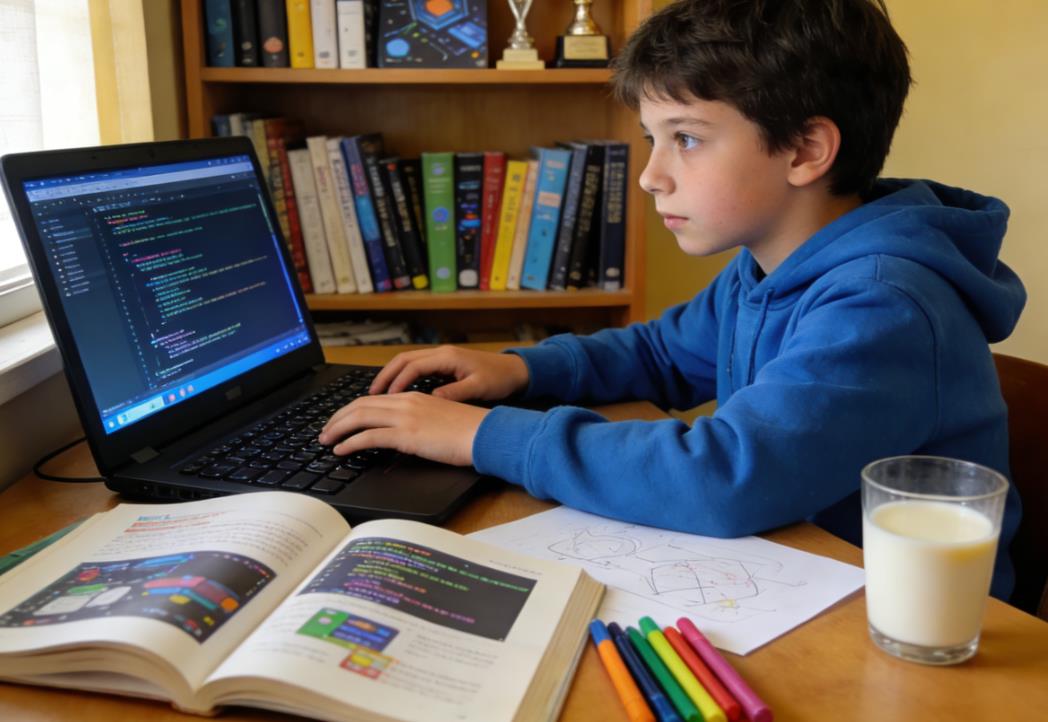
Coding competitions are an excellent way for children to explore programming, develop problem-solving skills, and gain confidence in their abilities. However, for many parents, preparing a child for such competitions can feel overwhelming. The key is not just teaching coding but nurturing critical thinking, resilience, and a love for learning. In this article, we will explore practical strategies, resources, and real-life examples to help you guide your child through this exciting journey.
Understanding Coding Competitions
Before diving into preparation, it’s essential to understand what coding competitions entail. Unlike classroom assignments or school projects, coding competitions are time-bound and often challenge participants to solve problems under pressure. These problems can range from algorithmic puzzles to creating small applications or games. Competitions can vary in format: some are individual contests, while others encourage teamwork.
For instance, the American Computer Science League (ACSL) offers contests for students from elementary to high school levels. These contests include written problems as well as programming challenges. Meanwhile, platforms like Codeforces, Codewars, and LeetCode host competitive programming contests online, allowing participants to compete globally. Each competition may focus on different aspects of coding, such as logic, algorithms, or debugging, so understanding the format is crucial for effective preparation.
Building a Strong Foundation
A solid foundation in programming is essential. Children should be comfortable with a programming language that is appropriate for their age and experience level. For younger kids, visual programming languages like Scratch or Blockly can help them grasp fundamental concepts such as loops, conditions, and variables. For older children, languages like Python, Java, or C++ are widely used in competitions due to their versatility and relevance.
Teaching coding through projects can make learning more engaging. For example, a student who enjoys building games might create a simple maze game using Python. This project teaches them how to use loops for movement, conditionals for collision detection, and functions for modular code. Real-life examples demonstrate the connection between concepts and practical applications, making the learning process more meaningful.
Parents often worry about balancing fun and rigor. One successful approach is the “project plus problem-solving” model: let children build something creative, then introduce a problem-solving challenge within that project. For instance, after creating a basic calculator app, challenge your child to add a feature that handles negative numbers or scientific calculations. This not only reinforces coding skills but also encourages logical thinking.
Developing Problem-Solving Skills
Problem-solving is the core of any coding competition. It is more than knowing syntax; it involves analyzing problems, breaking them into smaller steps, and applying efficient algorithms. Encourage your child to approach problems methodically. A useful strategy is the “Understand, Plan, Execute, Review” framework.
Start by reading the problem carefully and identifying inputs, outputs, and constraints. Planning involves outlining steps or writing pseudocode before actual coding. Execution is coding the solution, and review includes testing with different cases and optimizing the approach if necessary. Teaching children to check their work and think critically about their solutions is crucial for long-term success.
Introducing algorithmic thinking early can be beneficial. Concepts like sorting, searching, recursion, and basic graph theory are common in competitions. Platforms like Code.org, Khan Academy, and HackerRank offer exercises that develop these skills gradually. For example, a student might learn to implement a bubble sort in Python and then apply it to sort scores in a game leaderboard. This approach combines conceptual learning with practical problem-solving.
Practicing with Realistic Challenges
Practice is indispensable. Regular exposure to problems similar to those in competitions helps children build confidence and speed. Start with simpler challenges and gradually increase complexity. Websites like CodeChef, LeetCode, and Codeforces offer problems categorized by difficulty, making it easier to track progress.
Time management is another skill to cultivate. Many competitions have strict time limits, so practicing under timed conditions simulates real contest environments. Begin with short, 20-30 minute coding sessions focused on one problem, then extend to longer sessions covering multiple challenges. This incremental approach prevents burnout and develops endurance.
Parents can also organize mini-competitions at home or with peers. This creates a motivating, game-like atmosphere. For example, in a local coding club in Seattle, a group of students held weekly “algorithm races” where each student solved the same problem, and points were awarded for correctness and efficiency. Such experiences not only improve skills but also teach sportsmanship and collaboration.
Encouraging Collaboration and Peer Learning
While individual skills matter, collaboration can significantly enhance preparation. Pair programming, where two children work together on the same problem, teaches communication, teamwork, and debugging skills. Often, children can explain solutions to each other in simpler terms than adults can, which reinforces understanding for both participants.
Attending coding workshops or joining clubs provides exposure to different problem-solving approaches. For instance, in one case, a 12-year-old student preparing for the ACSL competitions learned dynamic programming techniques from a peer, which she successfully applied in a later contest. Peer learning encourages curiosity, resilience, and adaptability.
Fostering a Growth Mindset
Coding competitions can be stressful, and children may face failures along the way. Developing a growth mindset is critical. Teach your child to view challenges as opportunities rather than obstacles. Praise effort, perseverance, and creative solutions rather than only winning or ranking.
One parent shared that her child, initially frustrated by failing to solve a problem in the Code Jam competition, wrote a “failure log” documenting what went wrong and what could be improved. Reviewing this log helped the child recognize patterns in mistakes and steadily improve over time. Emphasizing progress over perfection fosters resilience and long-term engagement.
Using Structured Resources
Structured learning resources can accelerate preparation. Consider enrolling your child in courses or programs specifically designed for competitive programming. Platforms like Codeacademy, Coursera, and local coding academies offer structured paths with exercises, quizzes, and project-based learning.
Books tailored for young programmers, such as Python for Kids by Jason R. Briggs or Competitive Programming for Kids by Rebecca Lee, provide step-by-step guidance and practice problems. These resources help children progress logically and build confidence as they advance from basic to more complex challenges.
Balancing Preparation and Well-Being
While rigorous preparation is important, maintaining balance is essential. Children need breaks, physical activity, and social interaction to prevent burnout. Encourage hobbies, sports, or creative pursuits alongside coding. Studies show that children who engage in diverse activities develop better problem-solving skills and creativity.
Sleep, nutrition, and mental health are often overlooked but have a direct impact on performance. A well-rested and healthy child is more focused, creative, and resilient during competitions. Integrating coding into a balanced lifestyle ensures sustainable growth and enjoyment.
Real-Life Case Studies
Consider the story of Alex, a 13-year-old student from Boston, who participated in the USA Computing Olympiad (USACO). Alex started with basic Python exercises on Code.org and gradually tackled intermediate problems on HackerRank. Weekly sessions with a local coding club allowed Alex to engage in peer discussions and mini-competitions. Over six months, Alex improved problem-solving speed and accuracy. In the USACO Bronze division, Alex scored in the top 10%, demonstrating that consistent practice, guidance, and a supportive environment yield tangible results.
Another example is Sofia, an 11-year-old in London, who prepared for the Bebras Challenge, a logic-based contest for young students. Sofia’s parents encouraged project-based learning at home, creating simple simulations and puzzles in Scratch. Additionally, Sofia practiced past Bebras problems under timed conditions. While she did not win the first year, her experience taught her strategies for interpreting problems and managing time, which led to a top 5% finish the following year.
Tailoring Strategies to Your Child
Every child is unique, and preparation should be personalized. Observe your child’s interests, strengths, and pace of learning. Some children excel in algorithmic challenges, while others thrive in creative project-based tasks. Understanding these preferences helps tailor practice sessions and keeps the experience enjoyable.
Regular reflection sessions can help adjust strategies. Ask questions like: “Which problems were most challenging?” or “Which topics felt easy or enjoyable?” This feedback loop guides future preparation, ensuring that learning remains effective and aligned with your child’s growth.
Preparing a child for a coding competition is a multi-faceted process that goes beyond teaching syntax. It involves cultivating problem-solving skills, resilience, time management, collaboration, and a growth mindset. Through structured practice, realistic challenges, and supportive guidance, children not only perform well in competitions but also develop lifelong skills in logic, creativity, and perseverance.
Remember, the ultimate goal is not only winning but inspiring a love for coding and learning. Celebrating progress, embracing failures as learning opportunities, and creating a nurturing environment are key ingredients for success. With patience, encouragement, and the right resources, your child can thrive in the exciting world of coding competitions.

Leave a Reply