
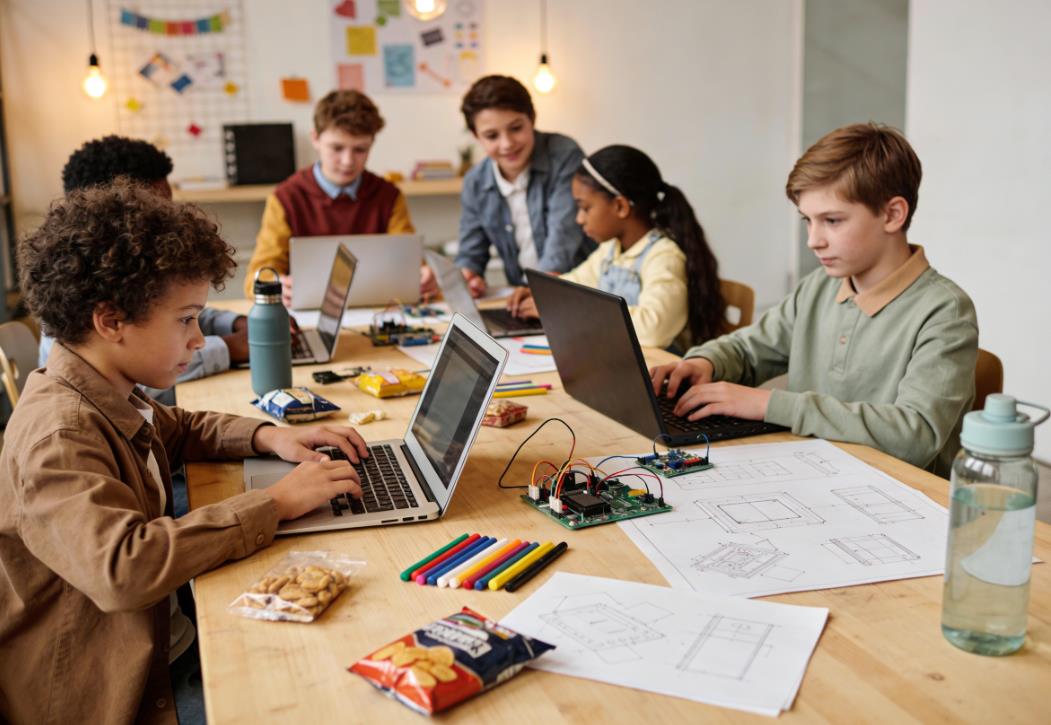
As coding and technology continue to become central to modern education, many parents are curious about opportunities that allow their children to apply these skills in collaborative and creative ways. One question that often arises is: Are hackathons safe and suitable for younger kids? In this article, we will explore the concept of hackathons for children, the benefits and risks, and provide guidance on how parents can determine if these events are appropriate for their child. Real-world examples and best practices from experienced educators are included to provide a comprehensive understanding.
Understanding Hackathons
A hackathon is an event where participants, often programmers and designers, collaborate intensively on software projects or creative technological solutions within a limited time frame—typically ranging from a few hours to several days. The goal is to innovate, problem-solve, and sometimes compete for prizes. While hackathons are widely popular in the tech industry, kid-friendly versions have emerged to foster early interest in coding, robotics, game design, and digital creativity.
Children’s hackathons, sometimes called “kidathons,” are tailored to accommodate the developmental stage, attention span, and learning style of younger participants. They may involve simpler coding challenges, guided workshops, and team-based problem-solving rather than high-pressure competitions.
The Benefits of Hackathons for Kids
Hackathons can offer a unique learning experience that goes beyond traditional classroom instruction. Some key benefits include:
Enhancing Creativity and Problem-Solving
Hackathons encourage children to think outside the box. Unlike standard coding exercises, these events require participants to conceptualize a project from scratch. For instance, in a recent kids’ hackathon hosted by a coding academy in San Francisco, 10-year-old participants developed an interactive game that taught climate change concepts through puzzles. Events like this help children apply logical thinking in creative ways, reinforcing both programming skills and conceptual understanding.
Building Collaboration and Communication Skills
Even at a young age, working in teams can teach valuable social and professional skills. Children must communicate their ideas clearly, listen to others, and share responsibilities. In a case study from a hackathon held at a Boston STEM center, a group of 8–12-year-olds successfully created a simple educational app after learning to assign roles, manage tasks, and give constructive feedback. This experience fostered both confidence and teamwork, skills that are crucial for future academic and career success.
Encouraging Early Exposure to Technology
Exposure to real-world technology projects can be motivating and eye-opening for young learners. Participating in a hackathon can show children that coding is not just abstract exercises on a screen—it’s a tool for creating games, apps, and problem-solving solutions. One parent noted that after attending a weekend hackathon, her 9-year-old daughter started experimenting with Python to create interactive storybooks at home, demonstrating how these events can spark independent learning.
Instilling Resilience and Project Management Skills
Hackathons introduce kids to the idea that not every project goes as planned. Time constraints, unexpected bugs, and teamwork challenges help children learn to manage frustration, adapt, and persevere. According to a report from a children’s coding club in Chicago, students who participated in multi-hour hackathons displayed significantly improved problem-solving persistence compared to peers who only did classroom coding exercises.
Addressing Safety Concerns
While hackathons can be highly beneficial, parents naturally worry about safety, especially for younger children. Safety concerns generally fall into three categories: physical, emotional, and online safety.
Physical Safety
Events for kids are typically held in supervised environments such as schools, libraries, or coding centers. Organizers should provide adequate adult supervision, emergency protocols, and age-appropriate facilities. Parents should ensure that the event has clear guidelines about breaks, hydration, and snack options. Shorter hackathons, often spanning 2–4 hours, are usually more suitable for children under 12 to avoid fatigue or overstimulation.
Emotional Safety
Hackathons can be competitive, which may sometimes create stress or feelings of inadequacy among participants. To mitigate this, many children’s hackathons focus on learning and collaboration rather than winning. For example, the “Junior Code Challenge” in New York emphasizes participation and skill development over awards. Teams are encouraged to support each other, and mentors guide children through setbacks to foster a positive experience.
Online and Cyber Safety
Since coding often involves internet access, parents should inquire about online safety measures. Events should use monitored networks, restrict access to inappropriate websites, and have adult mentors overseeing all online activities. Additionally, personal information should be protected, and parents should be informed about data collection policies, especially if projects are shared publicly or online.
Age Appropriateness
Not all hackathons are suitable for every age. Most organizers divide events by age groups to ensure challenges are developmentally appropriate. Typical guidelines include:
- Ages 6–8: Focus on guided activities using block-based coding platforms like Scratch or Tynker. Projects might include creating simple animations, interactive stories, or games with predefined templates.
- Ages 9–12: Can handle more independent problem-solving, small teams, and beginner-level Python or JavaScript projects. They can start experimenting with robotics kits or basic app development.
- Ages 13+: Suitable for complex coding, collaboration on larger projects, hackathon competitions, and exposure to industry tools and frameworks.
These categories are not rigid, but they help parents and educators match event difficulty with a child’s skill level.
How to Identify a Child-Friendly Hackathon
When evaluating whether a hackathon is appropriate for your child, consider the following:
Clear Age Guidelines
Reputable events specify the age range and tailor activities accordingly. Avoid events that lump children with much older teens or adults unless explicitly designed for mixed-age collaboration with mentorship.
Structured Mentorship
Kid-friendly hackathons should include mentors who actively guide participants, answer questions, and help resolve conflicts. Mentors provide not only technical assistance but also emotional support, ensuring children feel safe and confident.
Emphasis on Learning over Competition
While prizes and recognition can motivate older kids, younger children benefit more from an environment where participation and skill-building are prioritized over winning. Check whether the event highlights learning outcomes and showcases projects without creating high-pressure stress.
Limited Duration
Younger children generally have shorter attention spans. Half-day events (3–4 hours) or day-long events with frequent breaks tend to be more suitable than 24-hour overnight hackathons designed for adult participants.
Transparent Policies
Safety, supervision, online access, and communication with parents should be clearly outlined. Events that provide a parent guide or orientation are more likely to maintain a secure environment.
Real-World Examples of Kid-Friendly Hackathons
Several programs in the U.S. and Europe have successfully implemented child-focused hackathons:
- CodeREV Kids (USA): Offers weekend hackathons for ages 7–14. The events combine guided workshops with mini-projects, ensuring all participants complete a creative project by the end of the day. Mentors are certified educators, and the focus is on collaboration rather than competition.
- CoderDojo Hackathons (Global): Part of a worldwide network, CoderDojo hosts local events for children aged 7–17. They emphasize mentorship, peer learning, and ethical technology use. Children work in teams and present projects in a supportive environment.
- TechSpark Junior (UK): Aimed at 8–12-year-olds, these hackathons integrate robotics, Scratch coding, and creative problem-solving. Organizers provide ample breaks and structured activities to maintain engagement without pressure.
- MIT Scratch Day Hackathons (USA): Focused on ages 8–16, this annual event allows participants to develop games and stories using Scratch. MIT educators provide supervision, and projects are presented in a non-competitive, showcase format.
These examples demonstrate that hackathons can be both safe and developmentally appropriate when designed for children and supervised carefully.
Tips for Parents
If you’re considering enrolling your child in a hackathon, here are some practical tips:
- Start Small: Begin with shorter, local events to gauge your child’s interest and stamina.
- Check Credentials: Ensure the organizers have experience running kid-friendly programming events.
- Discuss Expectations: Talk to your child about the goals of the hackathon—learning, collaboration, and fun—rather than winning.
- Accompany Younger Children: Some events allow parents to stay nearby, providing reassurance and support.
- Encourage Reflection: After the hackathon, discuss what your child learned, what they enjoyed, and what they might try next. Reflection reinforces learning and confidence.
Hackathons can be both safe and highly beneficial for younger kids when thoughtfully designed. They provide a dynamic environment for creativity, collaboration, and applied learning in coding and technology. Parents play an essential role in selecting the right event, ensuring appropriate supervision, and framing the experience as an opportunity for growth rather than competition.
By choosing age-appropriate, well-supervised hackathons, children can enjoy the excitement of building projects, learning from peers and mentors, and discovering that coding can be a fun, collaborative, and empowering activity. Real-world experiences from programs like CodeREV Kids, CoderDojo, and MIT Scratch Day show that with proper planning, hackathons are not only safe but can become transformative experiences for young learners.
Ultimately, the key is balancing challenge with support, fostering creativity without pressure, and ensuring that every child leaves the event with newfound skills, confidence, and enthusiasm for technology.

Leave a Reply