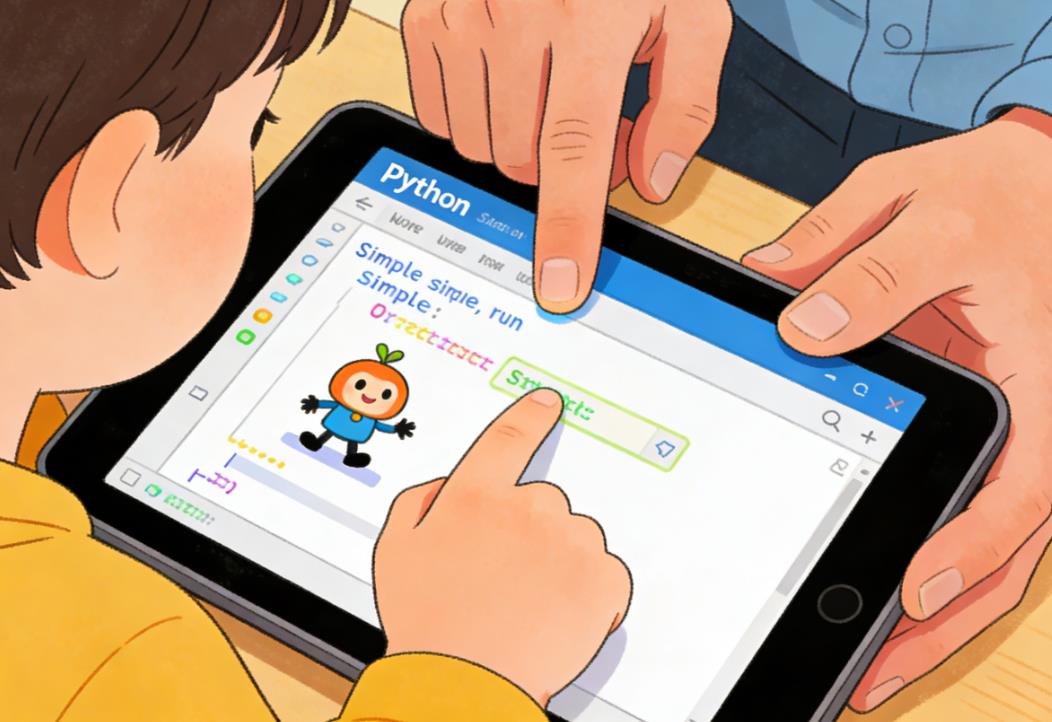
In Europe and the United States, Python has become one of the most popular programming languages for children. Its simple syntax, wide range of applications, and active community make it accessible even for beginners. However, many parents and educators face a central question: how can we make learning Python not only effective but also fun and engaging? This article explores multiple strategies to make Python an enjoyable learning experience for children.
Understanding Your Child’s Interests and Learning Style
Every child has unique interests and ways of learning. Some respond best to visual, interactive approaches, while others are more motivated by logic challenges or story-driven activities. The first step in making Python fun is understanding what excites your child:
- Visual Learners: Libraries such as
turtleorpygameallow children to turn code into visible graphics and animations. This is especially effective for kids who enjoy hands-on creation. - Story-Driven Projects: Embedding coding tasks into a storyline, where children can help virtual characters complete missions, can make programming more immersive.
- Gamified Learning: Children are naturally drawn to games. Small game projects can introduce programming concepts in a playful, interactive way.
Example: In Seattle, a 10-year-old student created a simple maze game using Python’s turtle library. The child could control a character navigating through the maze. This project taught loops and conditional statements while giving the student a strong sense of accomplishment.
Gamification and Challenge Mechanisms
Gamification is a powerful tool for increasing engagement in modern education. For Python learning, small challenges, achievement systems, or reward points can motivate children:
- Daily or Weekly Challenges: Simple tasks, like “draw a smiley face using Python” or “build a basic calculator,” can keep children engaged. Completing tasks earns points or badges.
- Leaderboards: Ranking achievements within a classroom or group encourages friendly competition, though care should be taken to avoid discouragement.
- Reward Systems: Virtual rewards (custom avatars, badges) or real-life rewards (small gifts, certificates) enhance motivation and a sense of accomplishment.
Example: A coding school in London uses a “Python Coding Quest” system where projects are divided into levels. Children unlock new programming skills as they progress. This approach significantly increased both classroom participation and independent practice at home.
Engaging Children Through Creative Projects
Children are highly motivated when they see tangible results from their programming efforts. Choosing age-appropriate and creative projects is key to making Python fun:
- Animations and Graphics: Using
turtleto create complex patterns or animations allows children to experience the visual magic of coding. - Game Development: Simple games like Snake, Breakout, or Guess the Number using
pygameteach loops, conditional statements, and event handling. - Interactive Storybooks: Children can create stories where reader choices affect the plot. This teaches logic and enhances creativity.
- Scientific Simulations: Simulating physics experiments, plant growth, or weather patterns connects programming with STEM learning.
Example: In Berlin, an 11-year-old girl created a virtual pet game using Python. Players could feed and train a digital pet. The project taught variables, conditional logic, and functions while fostering creativity and logical thinking.
Collaborative and Interactive Learning
Learning alone can sometimes feel dull. Collaborative learning and interactive classroom activities significantly enhance engagement:
- Pair Programming: Two children work together on a problem—one writes code, the other provides input and checks for errors. This fosters collaboration and improves learning outcomes.
- Group Projects: Children collaborate on small games or interactive stories, dividing tasks and experiencing the joys of collective creation.
- Online Communities and Sharing: Encouraging children to share projects on platforms like GitHub, Scratch, or Code.org provides feedback and inspiration.
Example: In New York, an elementary school used group competitions where teams had a week to complete a game project. Children learned communication and teamwork while enjoying the creative process.
Connecting Python to Real-Life Problems
Children often find learning more meaningful when it relates to real-life situations. Applying Python to practical problems can make coding feel relevant and exciting:
- Everyday Data Analysis: Tasks like tracking homework, managing allowance, or analyzing weather data teach children to use Python for practical purposes.
- Robotics and Hardware: Combining Python with simple robots (like micro:bit or LEGO Mindstorms) allows kids to program physical devices to complete tasks.
- Game Optimization: Analyzing data from their own games and improving logic or performance fosters problem-solving skills.
Example: In Amsterdam, a child used Python to analyze household energy consumption and proposed energy-saving strategies. The project introduced practical data analysis skills and demonstrated real-world applications of Python.
Using Child-Friendly Python Libraries and Tools
Choosing appropriate Python tools and libraries lowers the learning barrier and keeps the experience enjoyable:
- turtle: Ideal for beginners, enables graphical creations and animations with immediate results.
- pygame: Suitable for children with some coding experience, allows the creation of interactive games.
- Jupyter Notebook: Supports exploratory learning by combining code, text, and visuals, ideal for tracking progress.
- micro:bit Python Editor: Integrates Python with hardware projects like LEDs, sensors, or robots, adding hands-on interaction.
Example: In Los Angeles, children programmed a micro:bit to create a simple alarm system. Using Python to control LED lights and buzzers made coding tangible and engaging.
Maintaining Engagement and a Sense of Achievement
Interest drives learning. Keeping Python learning fun requires instant feedback, small achievable steps, and positive reinforcement:
- Immediate Feedback: Using online editors or IDEs allows children to see the results of their code instantly.
- Small Step Learning: Breaking down complex tasks into manageable steps ensures children experience success at every stage.
- Encouragement and Praise: Recognizing effort and creativity builds confidence and sustained motivation.
Example: In Paris, an 8-year-old child created a starry night scene with turtle. Each completed star earned praise from the teacher. The child learned loops and functions while enjoying a strong sense of achievement.
Integrating Multimedia and Cross-Disciplinary Learning
Combining Python with music, art, or science adds dimension to learning and increases engagement:
- Music Creation: Python can generate simple music or sound effects, linking coding with rhythm and melody.
- Art Projects: Creating digital art, patterns, or collages with Python nurtures creativity.
- Scientific Experiments: Simulating astronomy, physics, or biology experiments makes learning interactive and connects coding with other subjects.
Example: During a summer Python camp in Los Angeles, children used Python to create a dynamic starry sky synchronized to musical beats. They learned coding logic, math concepts, and artistic expression simultaneously.
The Role of Parents in Making Python Fun
Parents play a crucial role in motivating children’s Python learning. They can enhance engagement through:
- Participating Together: Coding simple projects or games with children turns learning into a family activity.
- Providing Resources: Offering suitable tutorials, books, and online courses supports independent exploration.
- Encouraging Exploration and Creativity: Focus less on syntax mistakes or speed, and more on experimentation and innovative solutions.
Example: In Boston, parents and a child collaborated on a Python game called “Family Memory Challenge.” The child handled the creative design and coding, while parents provided technical guidance. This project increased family interaction and sparked a deep interest in Python.
Making Python fun and engaging for children requires a combination of understanding their interests, designing creative projects, encouraging collaboration, connecting coding to real-life problems, and using child-friendly tools. When children can see tangible results, experience success, interact with peers, and receive support from parents, their motivation and creativity flourish. Real-world examples from Europe and the U.S. show that children who learn Python in this engaging, exploratory way develop not only logical thinking and problem-solving skills but also a passion for creating, learning, and experimenting. With thoughtful guidance, Python becomes more than a programming language—it becomes a gateway for children to explore technology, creativity, and innovation.

Leave a Reply